
Dyes & STAINS
Dyes and stains in molecular biology are essential tools used to visualize, differentiate, and track cellular components such as nuclei, membranes, organelles, and viability status.
These fluorescent markers enable researchers to perform accurate imaging, flow cytometry, and analysis in both live and fixed cells.
Membrane Dyes
We offers a wide range of high-performance membrane dyes for fluorescent labeling of live or fixed cells.
These non-toxic dyes, available in multiple colors including near-infrared, enable long-term cell tracking and are ideal for applications such as migration, fusion, and co-culture studies.

Organ Dyes
Allianz BioInnovation, in collaboration with Biotium, offers a comprehensive range of fluorescent organelle dyes for live or fixed cell imaging.
These include specialized stains for mitochondria, lysosomes, lipid droplets, and other key organelles, enabling detailed visualization and analysis of cellular structures.
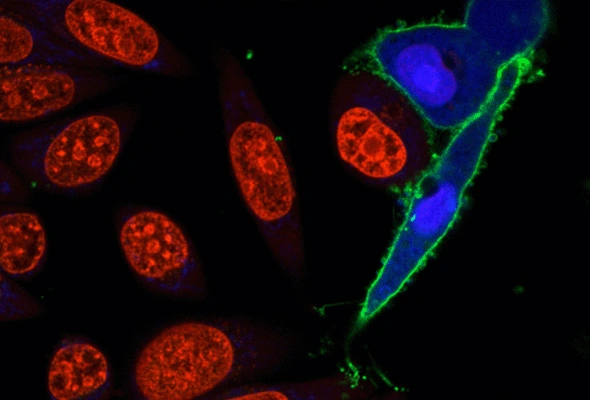
Cytoplasm Dyes
Allianz BioInnovation offers a wide range of cytoplasmic membrane dyes through its partnership with Biotium.
These non-toxic, fixable dyes enable long-term cell tracking and vibrant membrane labeling in various colors, ideal for live or fixed cell studies.
Nuclear Dyes
Allianz BioInnovation provides a range of nuclear stains from Biotium that offer bright, selective nuclear labeling in fixed or dead cells with minimal background.
These dyes are available in multiple colors and are ideal for no-wash imaging and flow cytometry applications.
Complete Dyes
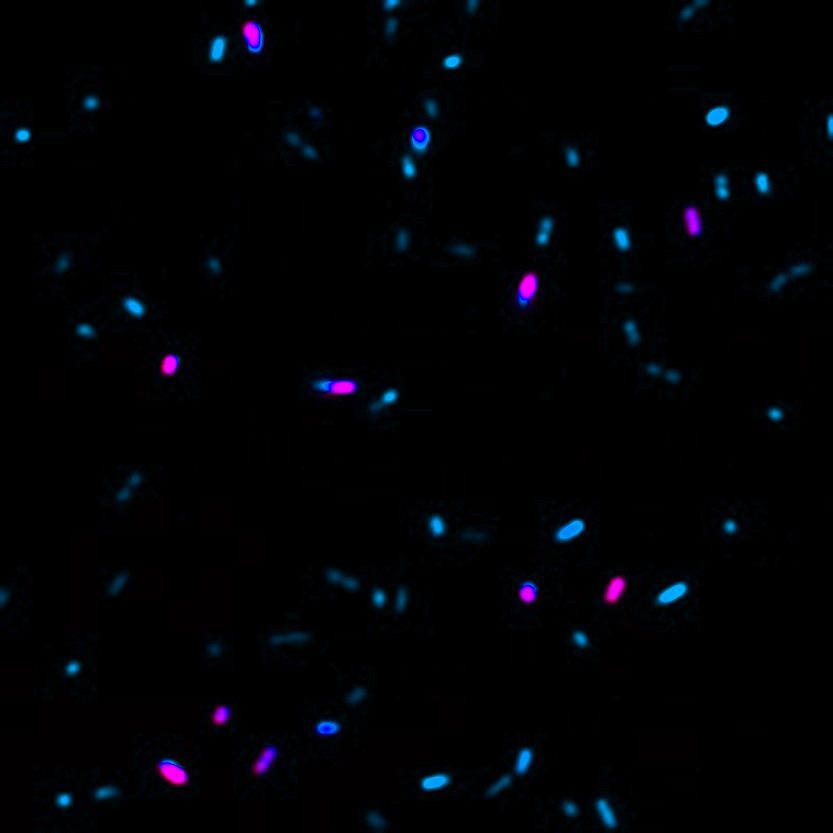
Allianz BioInnovation offers a complete range of fixable viability dyes from Biotium that enable precise live/dead cell discrimination for flow cytometry and microscopy.
These highly stable, amine-reactive dyes span the full fluorescence spectrum and are ideal for multi-color and fixation-compatible analysis.
More about product
Biotium offers a comprehensive selection of fluorescent dyes covering membrane, cytoplasm, nucleus, organelles, viability, and random staining applications. With options available in a wide fluorescence spectrum and formats compatible with live or fixed cells, researchers can find tailored solutions for imaging, tracking, and cell analysis needs.

