
PROTEIN CHARACTERIZATION
Proteins are at the core of virtually every biological function—and understanding their structure, modifications, and interactions is essential to advancing biopharmaceutical development. Protein characterization plays a pivotal role in ensuring the safety, efficacy, and structural integrity of therapeutic candidates.
At Allianz Bio, we empower this process with our innovative SmartEnzymes™, a portfolio of highly specific and reliable tools designed to simplify and accelerate protein analysis. Whether you're investigating antibody subunits, mapping glycosylation profiles, or preparing samples for mass spectrometry, SmartEnzymes offer the precision and flexibility needed for cutting-edge research.
From early discovery to final formulation, Allianz Bio provides the essential enzymatic solutions to help you characterize with confidence and push the boundaries of biotherapeutic innovation.
Antibody Digestion

Fusion protein digestion

Antibody conjugation

Proteomics

glycan profiling
Antibody Deglycosylation
Research Antibodies
Antibody Digestion
Antibody digestion is the enzymatic process of breaking down antibodies into smaller fragments using specific proteases. This is commonly done to study antibody structure, improve therapeutic design, or simplify downstream applications like epitope mapping, mass spectrometry, or bioassays.
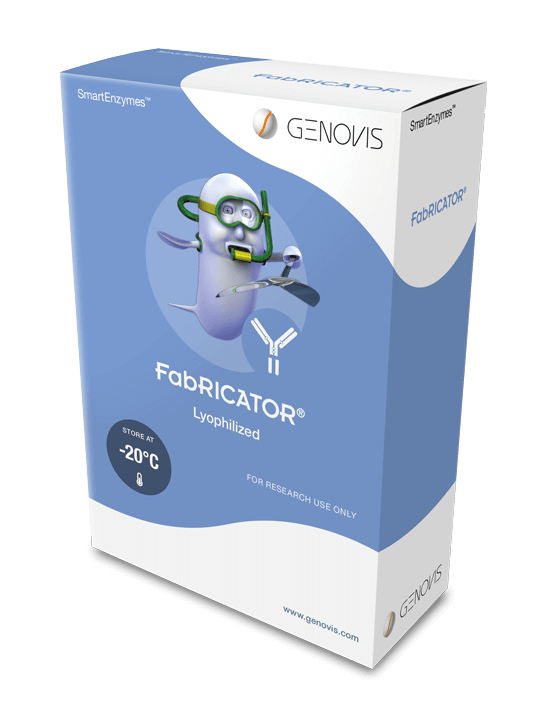
FabRICATOR Lyophilized
FabALACTICA Immobilized
FabRICATOR Xtra LALA Lyophilized
FabRICATOR Z Fab2 Kit
IgASAP Sub1 Lyophilized
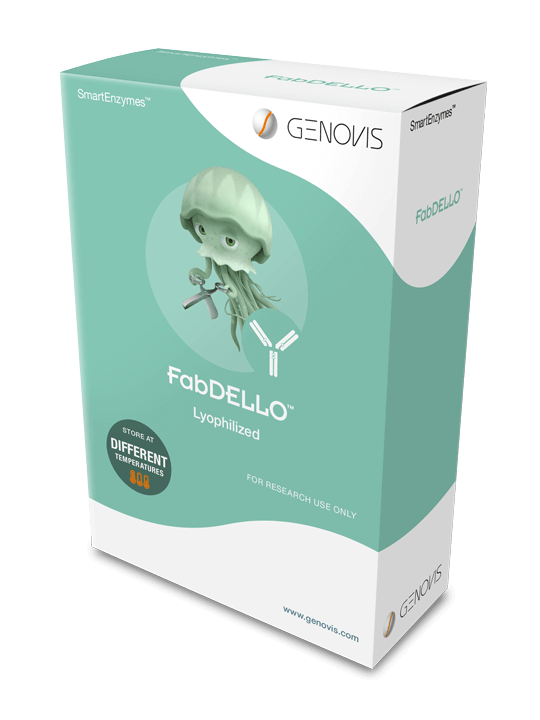
FabDELLO Lyophilized

igMBRAZO Lyophilized
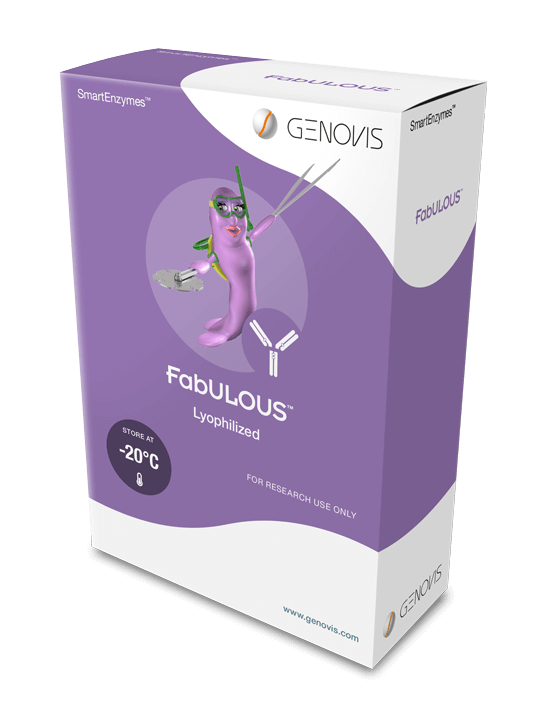
FabULOUS Lyophilized
Fusion Protein Digestion
Fusion protein digestion utilizes highly specific enzymes to cleave fusion tags from recombinant proteins. This enzymatic process helps restore the protein’s native structure and function, making it ideal for downstream applications. It also simplifies purification workflows and is critical in therapeutic development and structural studies.
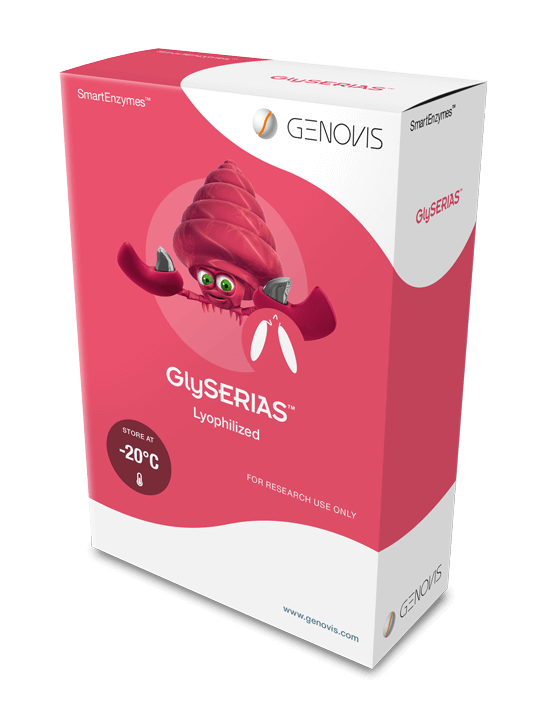
GlySERIAS Lyophilized
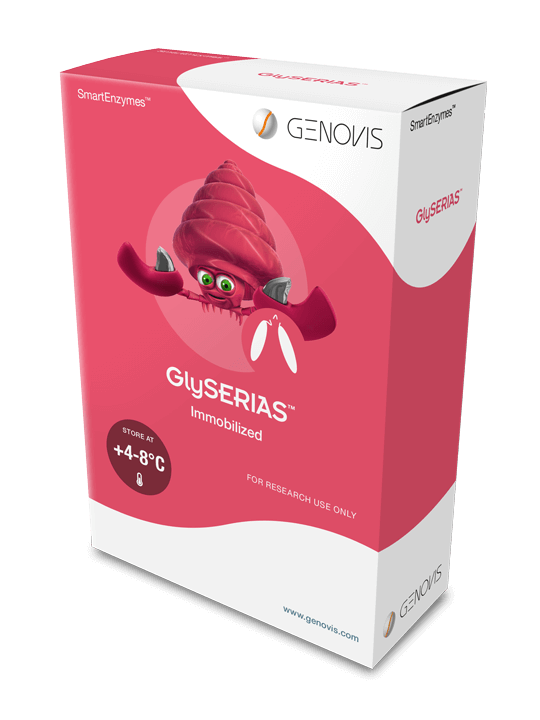
GlySERIAS Immobilized
Antibody conjugation
Antibody conjugation involves the precise attachment of functional molecules—such as dyes, enzymes, or cytotoxic payloads—to antibodies. This technique enables targeted detection, imaging, and drug delivery, significantly enhancing the sensitivity and specificity of assays. It plays a pivotal role in antibody-drug conjugate (ADC) development.
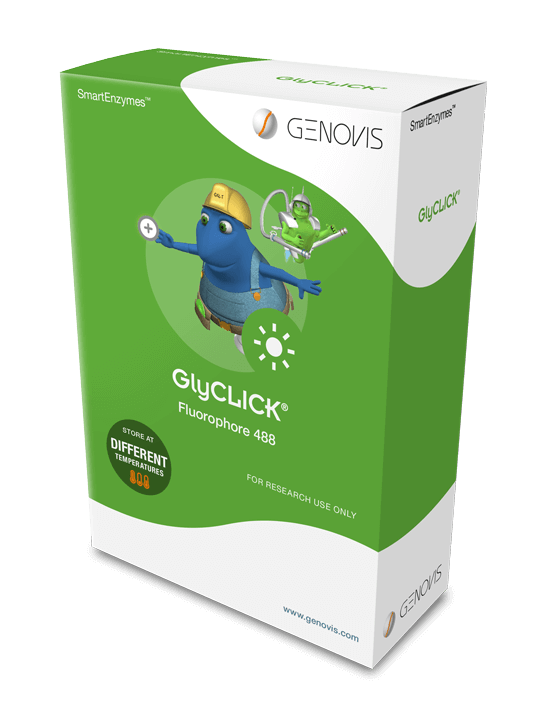
GlyCLICK Fluorophore
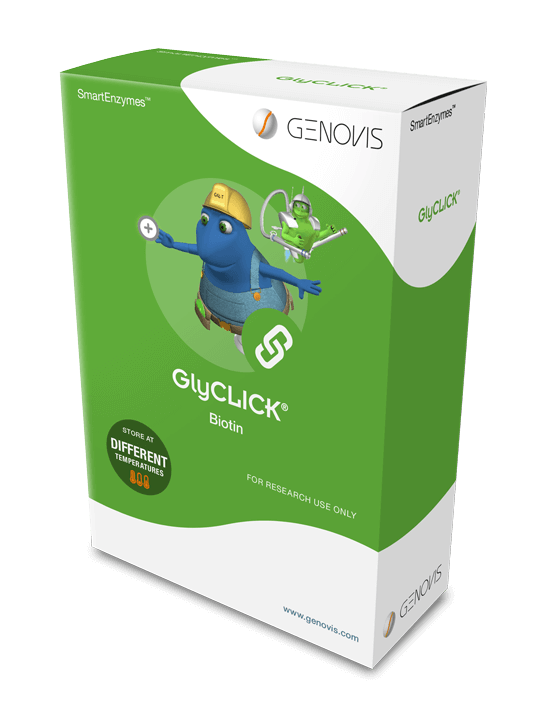
GlyCLICK Biotin
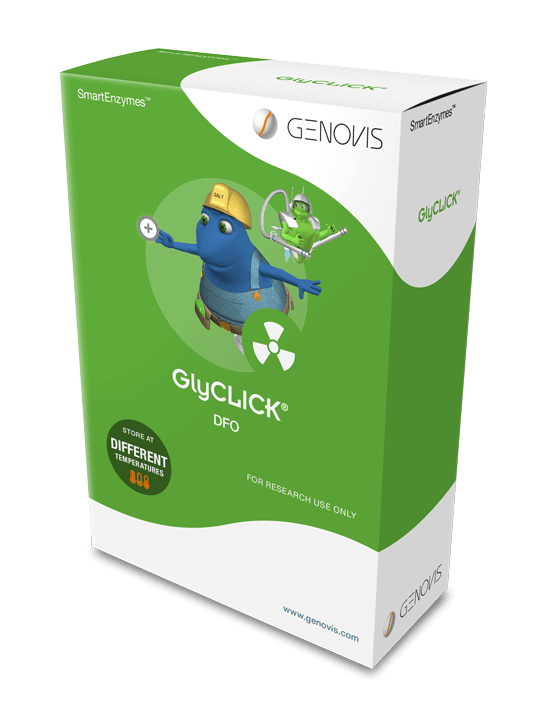
GlyCLICK DFO
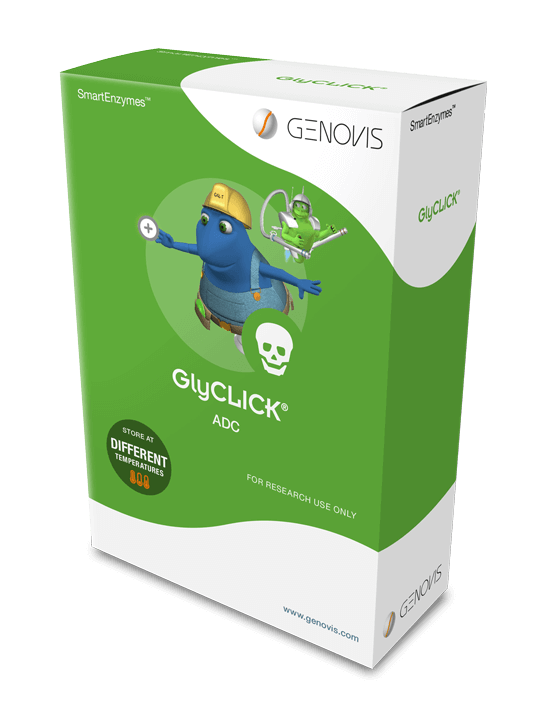
GlyCLICK ADC
GlyCLICK Azide Activation
TransGLYCIT Remodeling
TransGLYCIT Remodeling Afucosylated
Proteomics
Proteases are widely used to generate peptides for analysis of proteins using mass spectrometry. Our arginine-specific protease has applications in peptide mapping, protein sequence analysis, protein fingerprinting and analysis of post-translational modifications, and it efficiently digests the otherwise difficult Arg-Pro linkages.
GingisREX Lyophilized
Glycan Profiling
The glycan profiling enzymes facilitate the structural and functional analysis of a protein’s glycoform. We provide endo- and exoglycosidases that trim N- and O-glycans, and enzymatic tools for specific digestion of O-glycoproteins at the O-glycan sites. Together, the enzymes enable middle-down analytical approaches for O-glycosylated proteins and are applied in O-glycan profiling and site determination, in Tn antigen characterization and in reducing sample heterogeneity.
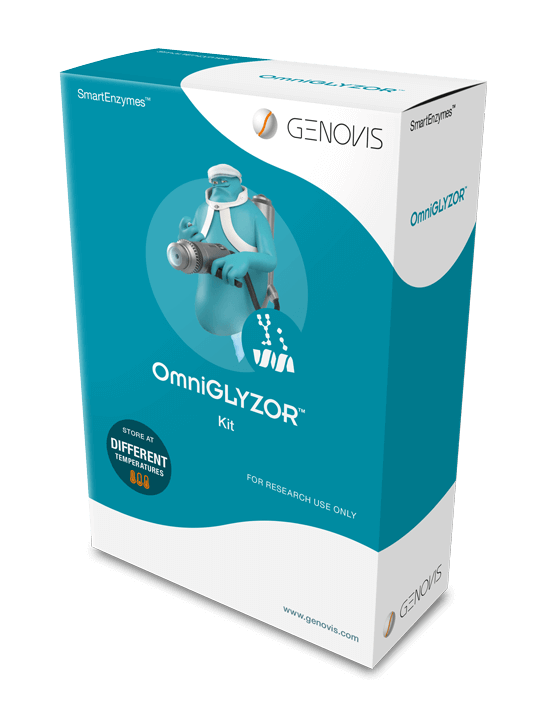
OmniGLYZOR Kit
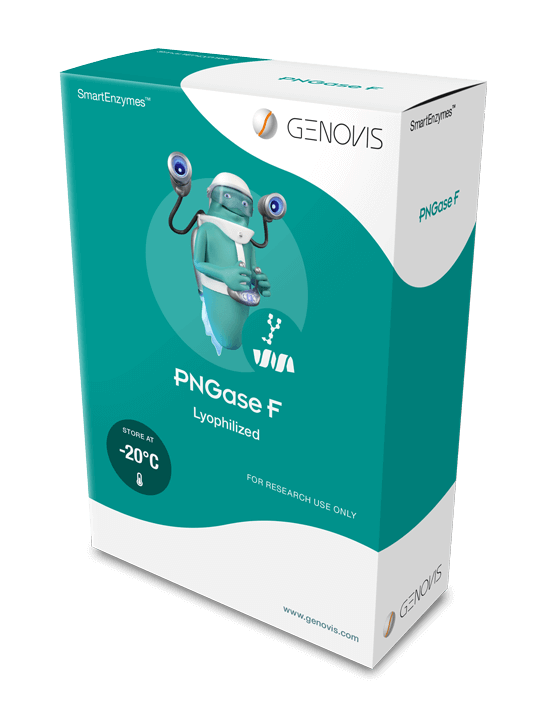
PNGase F Lyophilized
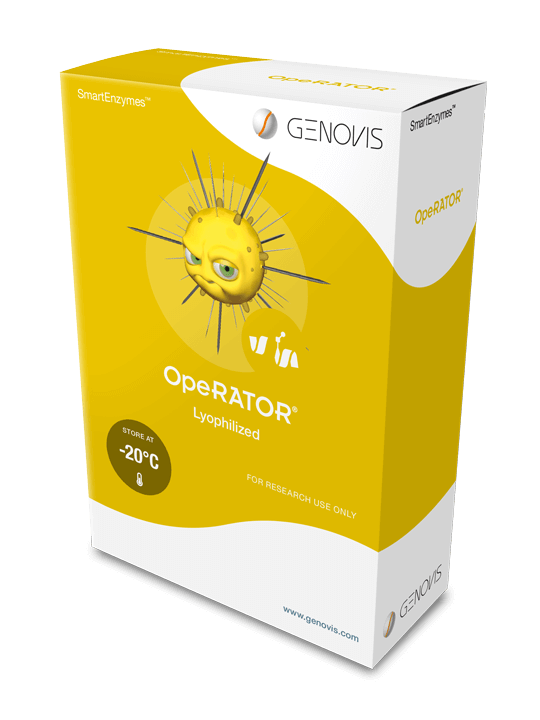
OpeRATOR Lyophilized
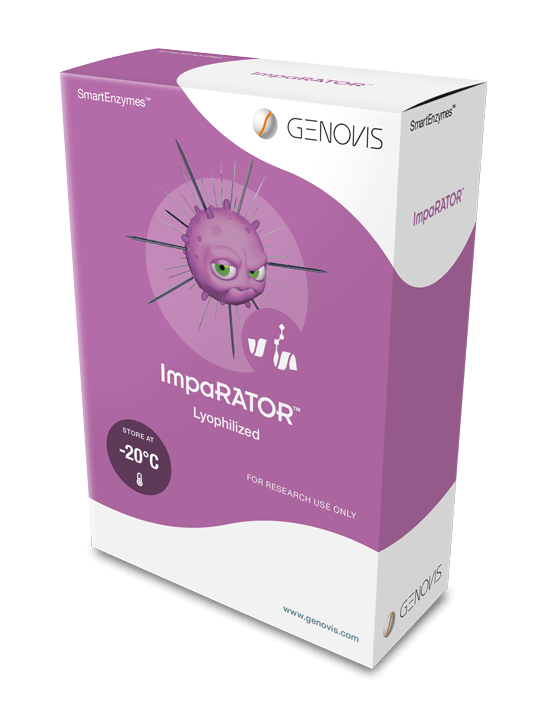
ImpaRATOR Lyophilized
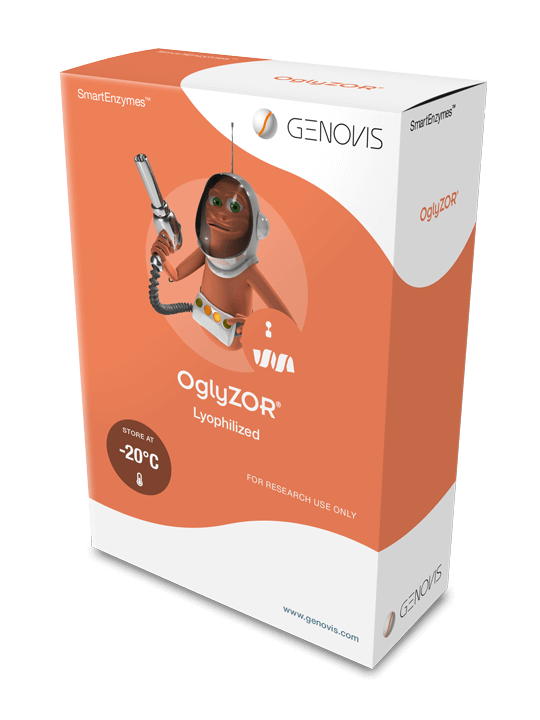
OglyZOR Lyophilized
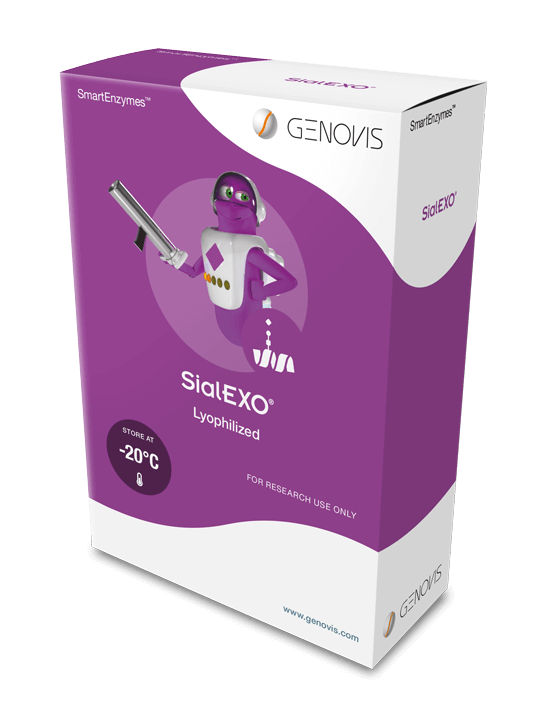
SialEXO Lyophilized
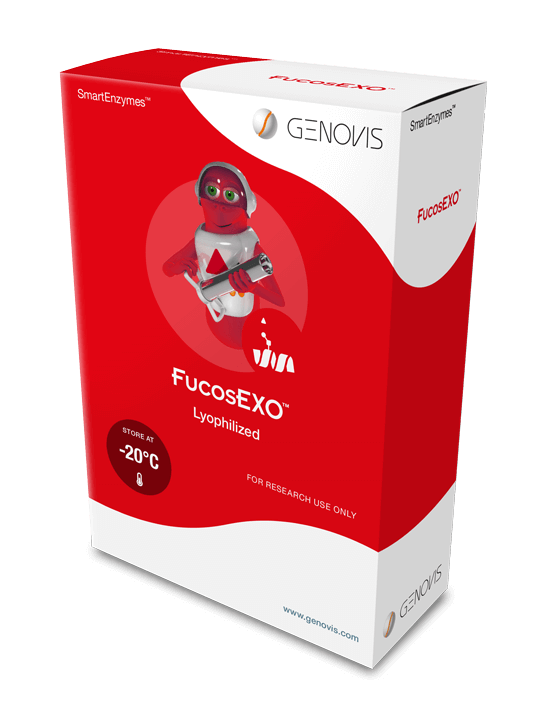
FucosEXO Lyophilized
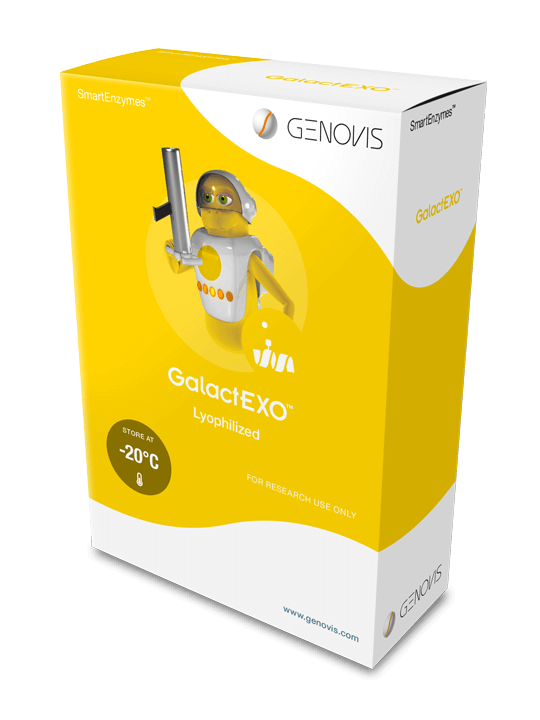
GalactEXo Lyophilized
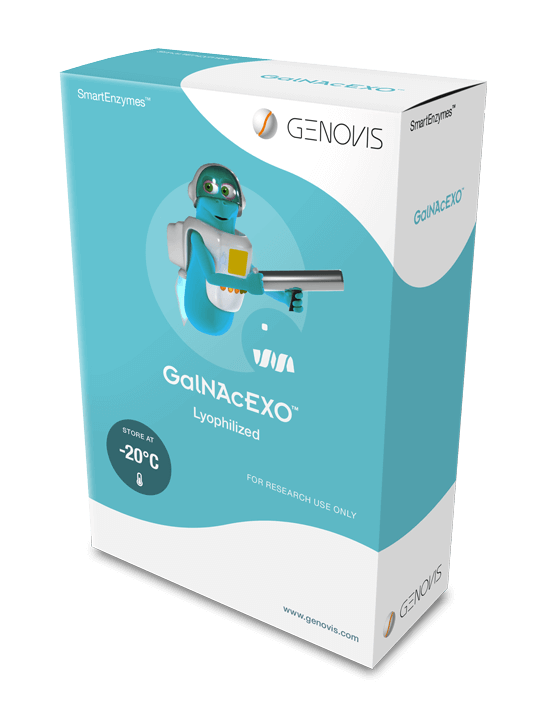
GalNAcEXO Lyophilized
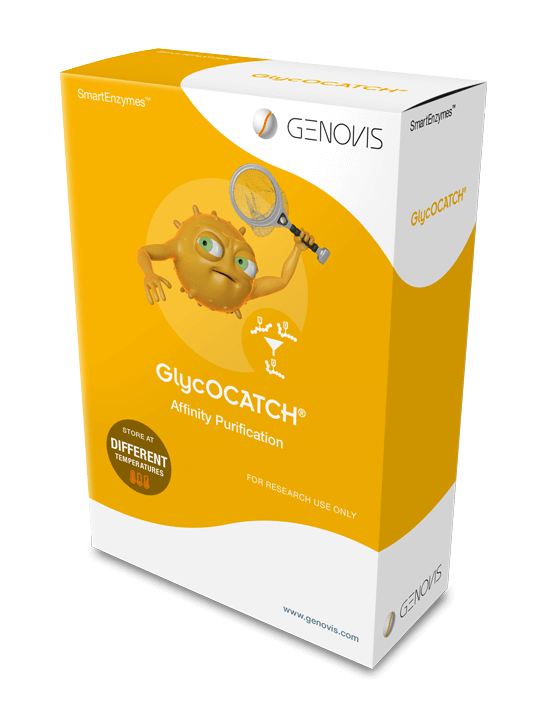
GlycOCATCH Affinity Purification
Antibody Deglycosylation
The IgG-specific glycosidases trim IgG Fc-glycoforms on native antibodies, including high-mannose, hybrid, complex, and bisecting type glycans. The enzymes are used to reduce the complexity of antibody-based therapeutics and to study core afucosylation and N-glycan site occupancy.
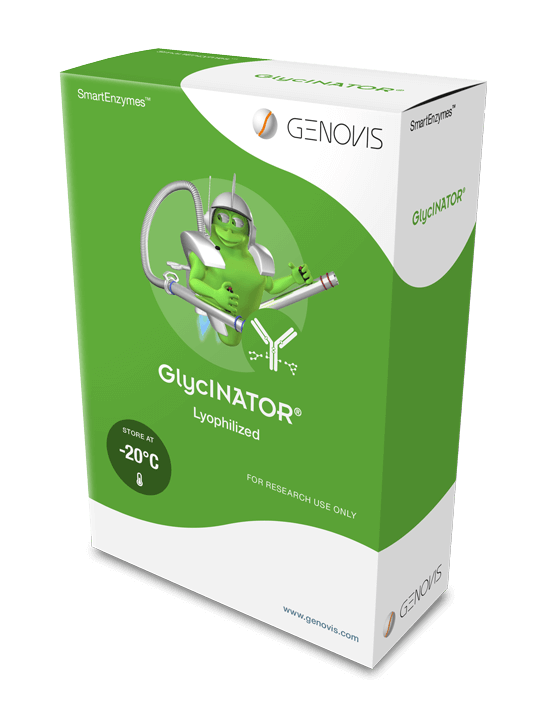
GlycINATOR Lyophilized
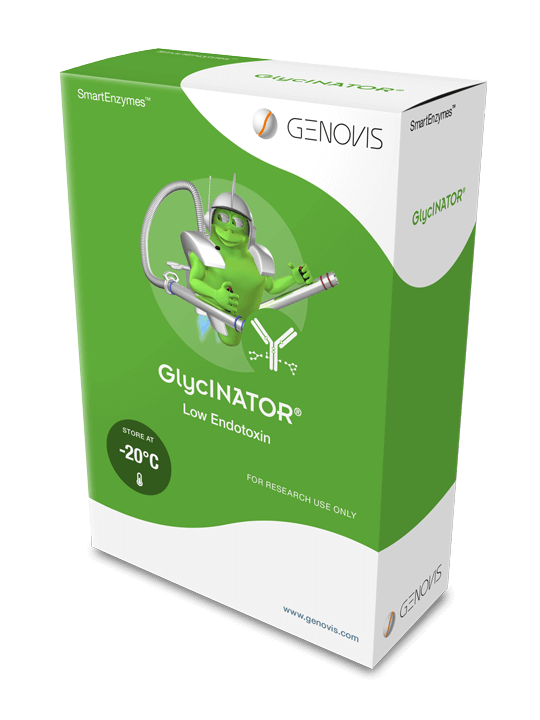
GlycINATOR Low Endotoxin
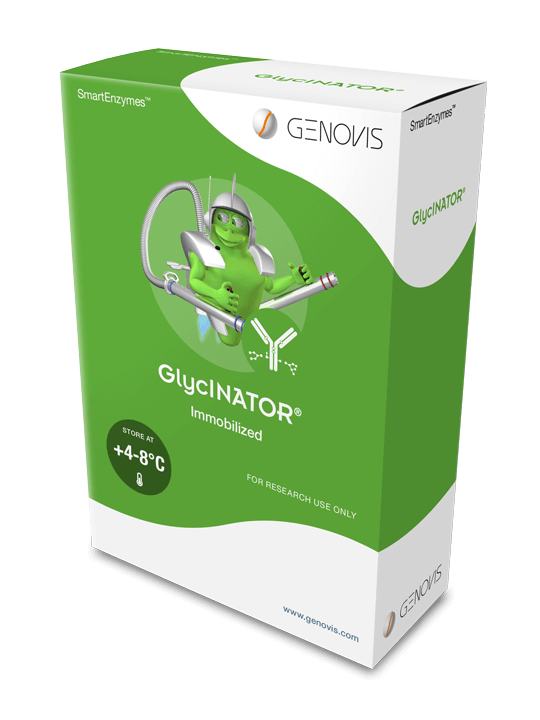
GlycINATOR Immobilized
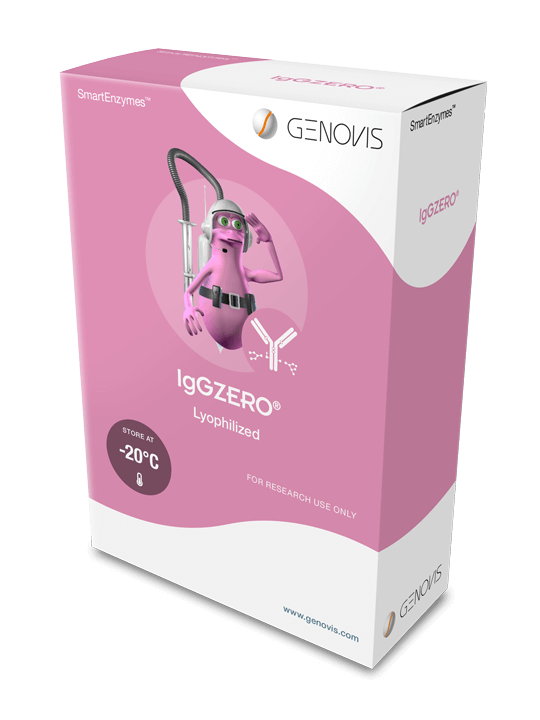
IgGZERO Lyophilized
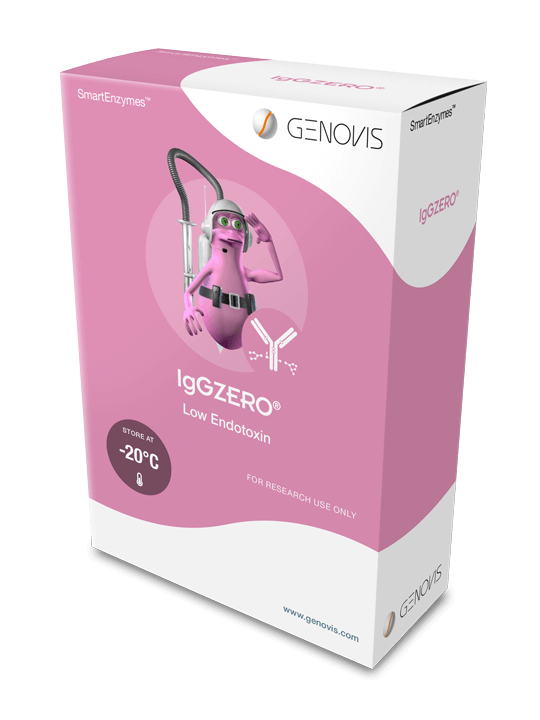
IgGZERO Low Endotoxin
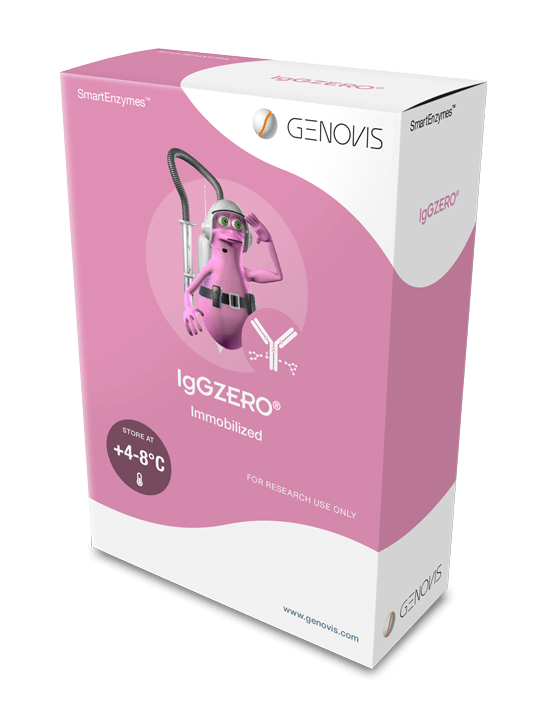
IgGZERO Immobilized
